Ingredients That Matter: What Your Skin Actually Needs
August 25, 2026
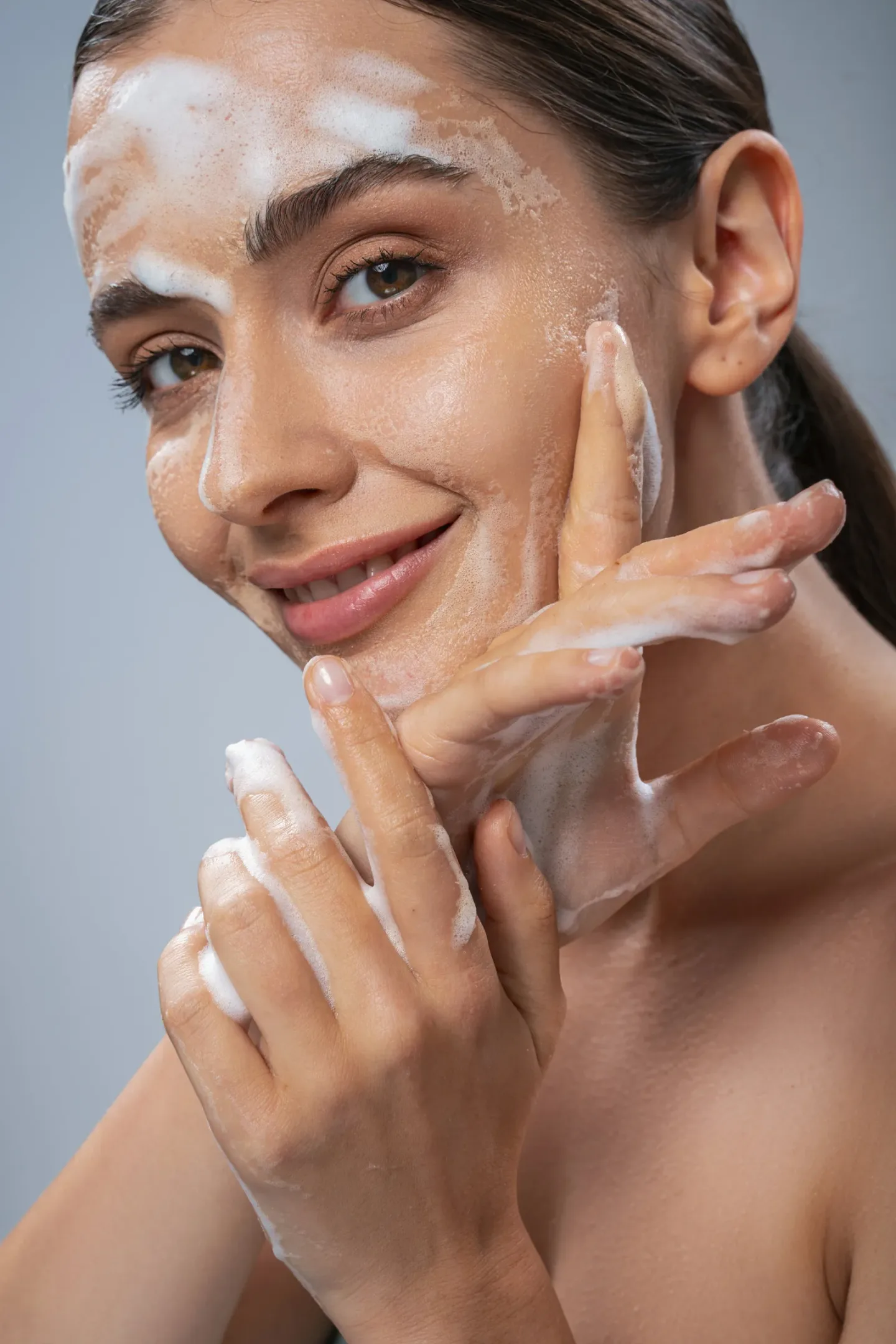
Walk into any beauty aisle and you'll encounter an overwhelming number of ingredients — retinol, niacinamide, hyaluronic acid, peptides, AHAs, BHAs. It's easy to feel lost. But here's the truth: not every ingredient is right for every person, and not every trending compound is worth the hype. This guide cuts through the noise and focuses on the ingredients that are backed by science and genuinely deliver results.
Hyaluronic Acid: The Hydration Hero: Hyaluronic acid is one of the most well-studied and universally beneficial skincare ingredients. It's a humectant, meaning it draws moisture from the environment into the skin and holds it there. Unlike some actives, it's suitable for all skin types — including sensitive and acne-prone skin — and works exceptionally well when applied to damp skin and sealed in with a moisturiser.
Niacinamide: The Multi-Tasker: Also known as vitamin B3, niacinamide is one of skincare's most versatile ingredients. It helps reduce the appearance of enlarged pores, minimise redness and blotchiness, even out skin tone, and strengthen the skin barrier. It's well-tolerated by most skin types and plays nicely with the majority of other actives, making it an easy addition to any routine.
Retinol: The Gold Standard Anti-Ager: Retinol — a derivative of vitamin A — has decades of research supporting its ability to stimulate collagen production, accelerate cell turnover, and smooth fine lines and wrinkles. It also helps fade post-acne marks and improve skin texture over time. The catch? It requires patience and a careful introduction. Start with a low concentration and use it two to three nights per week, always followed by moisturiser.
Vitamin C: Brightening and Protecting: L-ascorbic acid (vitamin C) is a powerful antioxidant that helps neutralise free radicals caused by UV exposure and pollution. Used consistently in the morning, it brightens dull skin, fades hyperpigmentation, and supports collagen synthesis. Look for formulations with a concentration between 10–20% and packaging that protects the formula from light and air, as vitamin C oxidises quickly.
Ceramides: Barrier Builders: Ceramides are lipid molecules that naturally occur in the skin, making up a significant portion of the skin barrier. When your barrier is compromised — from harsh products, cold weather, or over-exfoliation — ceramides help restore it. They're particularly beneficial for dry, sensitive, or eczema-prone skin and work beautifully alongside other hydrating ingredients.
AHAs and BHAs: Chemical Exfoliants: Alpha-hydroxy acids (like glycolic and lactic acid) and beta-hydroxy acids (like salicylic acid) dissolve the bonds between dead skin cells, revealing smoother, more radiant skin underneath. AHAs work on the skin's surface and are great for dry, uneven, or sun-damaged skin. BHAs penetrate deeper into pores, making them ideal for oily and acne-prone skin. Both should be introduced slowly and always followed by SPF during the day.
The best skincare ingredients are the ones you use consistently. Start with one or two key actives suited to your main concerns, give them time to work, and build from there. Your skin will tell you what it needs.